method
how we test, and what the figures mean
This shop sells on numbers, so the numbers have to be explained. Everything below applies to every product page: what was measured, under which standard, and what that measurement can and cannot tell you about a garment on a job.
Cloth weight
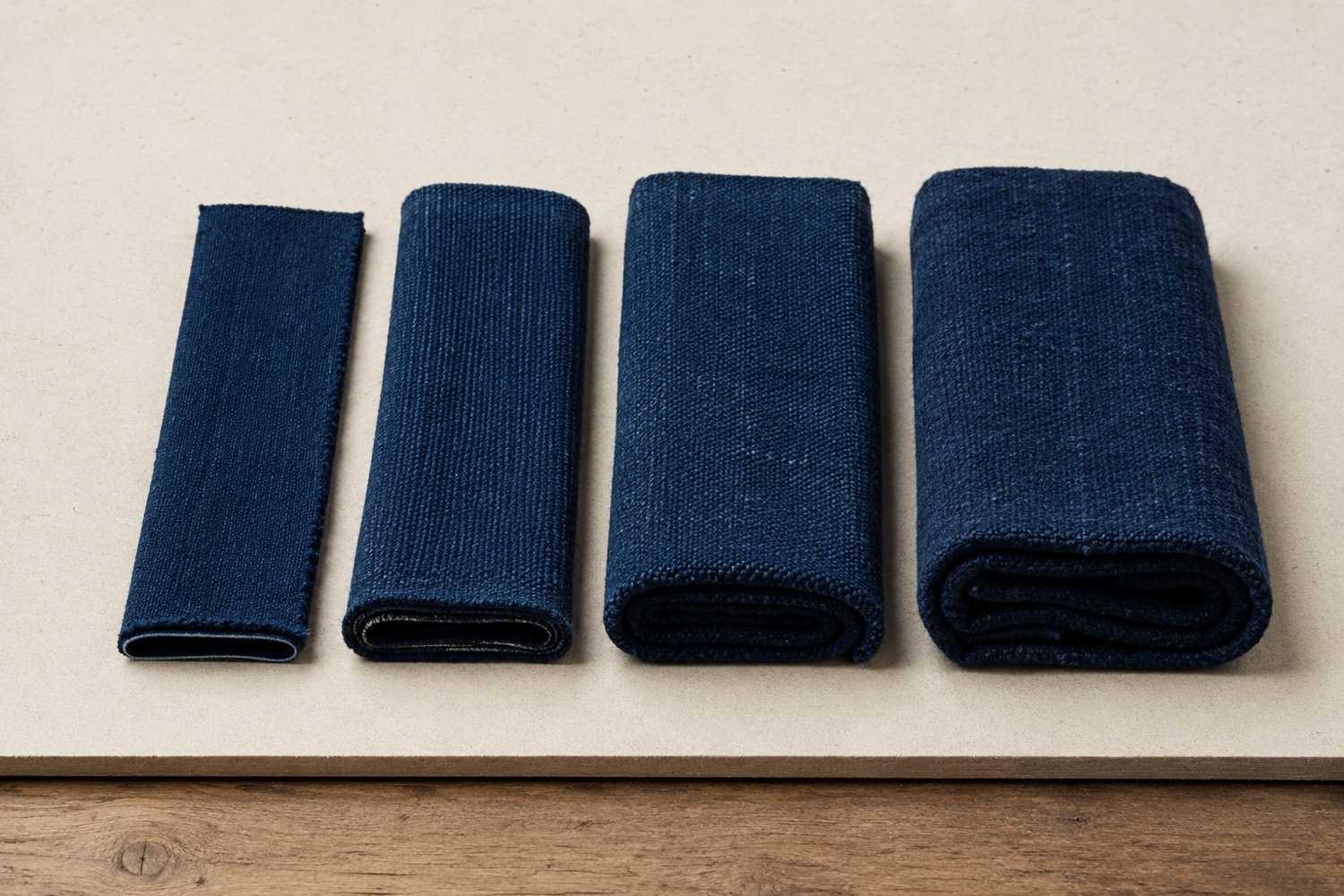
Cloth weight is grams per square metre, measured on the finished cloth after weaving and any surface treatment. It is the only figure published for every single piece in the catalogue, which makes it the one honest basis for comparing two garments here.
Weight is not durability. A 400 g/m² canvas and a 400 g/m² loopback knit have almost nothing in common in how they wear. Weight tells you about density and hand: how the cloth hangs, how stiff it starts, how long it takes to break in.
Where a cloth is traded in ounces, as denim is, we publish the ounce figure alongside the metric one so you can compare it with what you already own.
Martindale abrasion
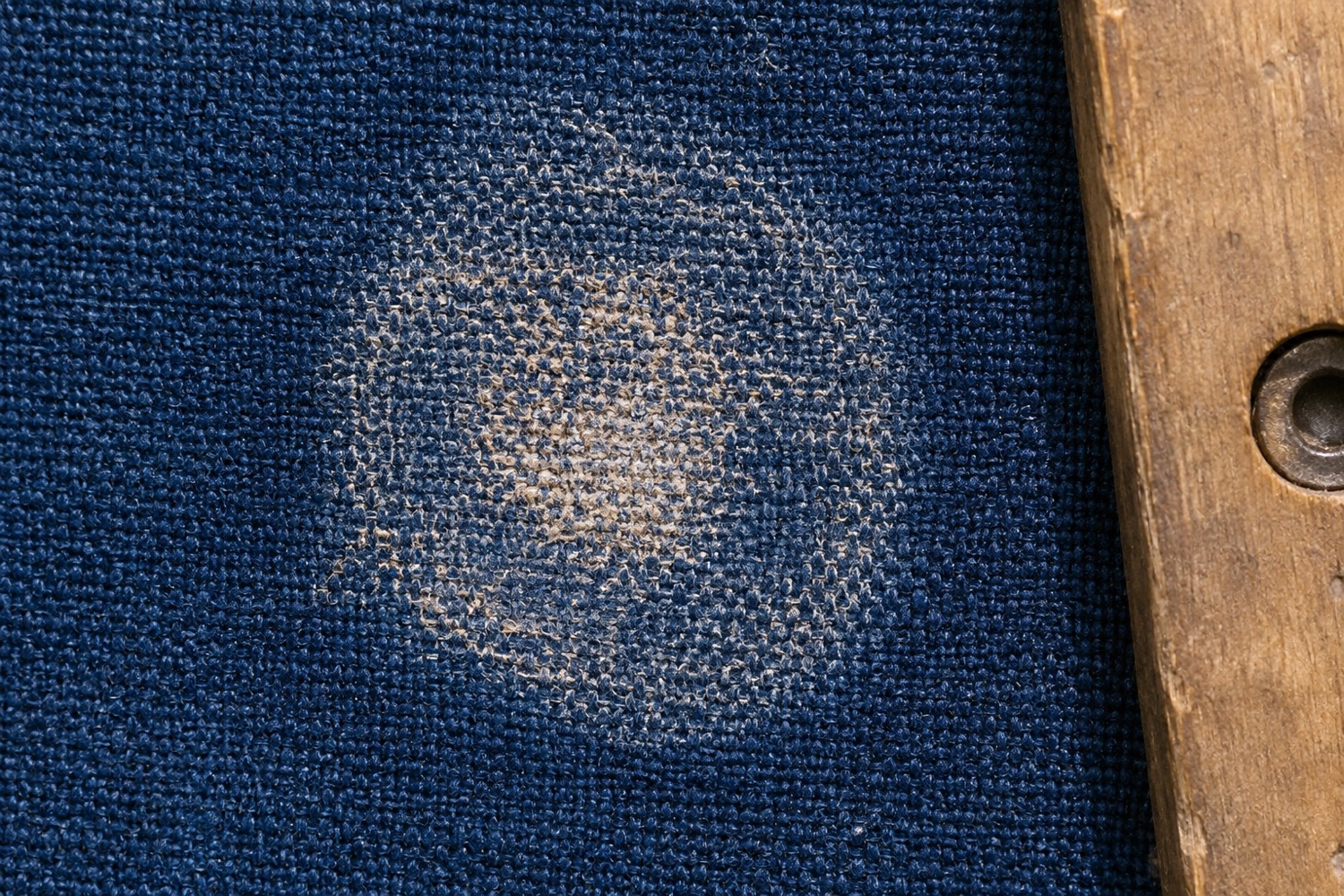
The Martindale test rubs a mounted disc of the fabric against a standard abradant in a repeating figure-of-eight motion under a set pressure. The result is the number of rub cycles reached before a defined end point, and it is measured under EN ISO 12947-2.
A higher figure means the cloth survived more rubbing under laboratory conditions against one specified abradant. That is all it means. It does not translate into months of wear, because a laboratory abradant is not a scaffold pole, a workbench edge or a stone wall, and because it applies pressure evenly where your work does not.
- 32 of the 43 pieces in this catalogue carry a measured abrasion figure.
- 11 carry none. Their product pages say so plainly, in the same place a figure would otherwise sit.
- A figure is never published without its method. If a value reached us without the standard it was measured under, the page shows only the cloth weight.
Tear strength
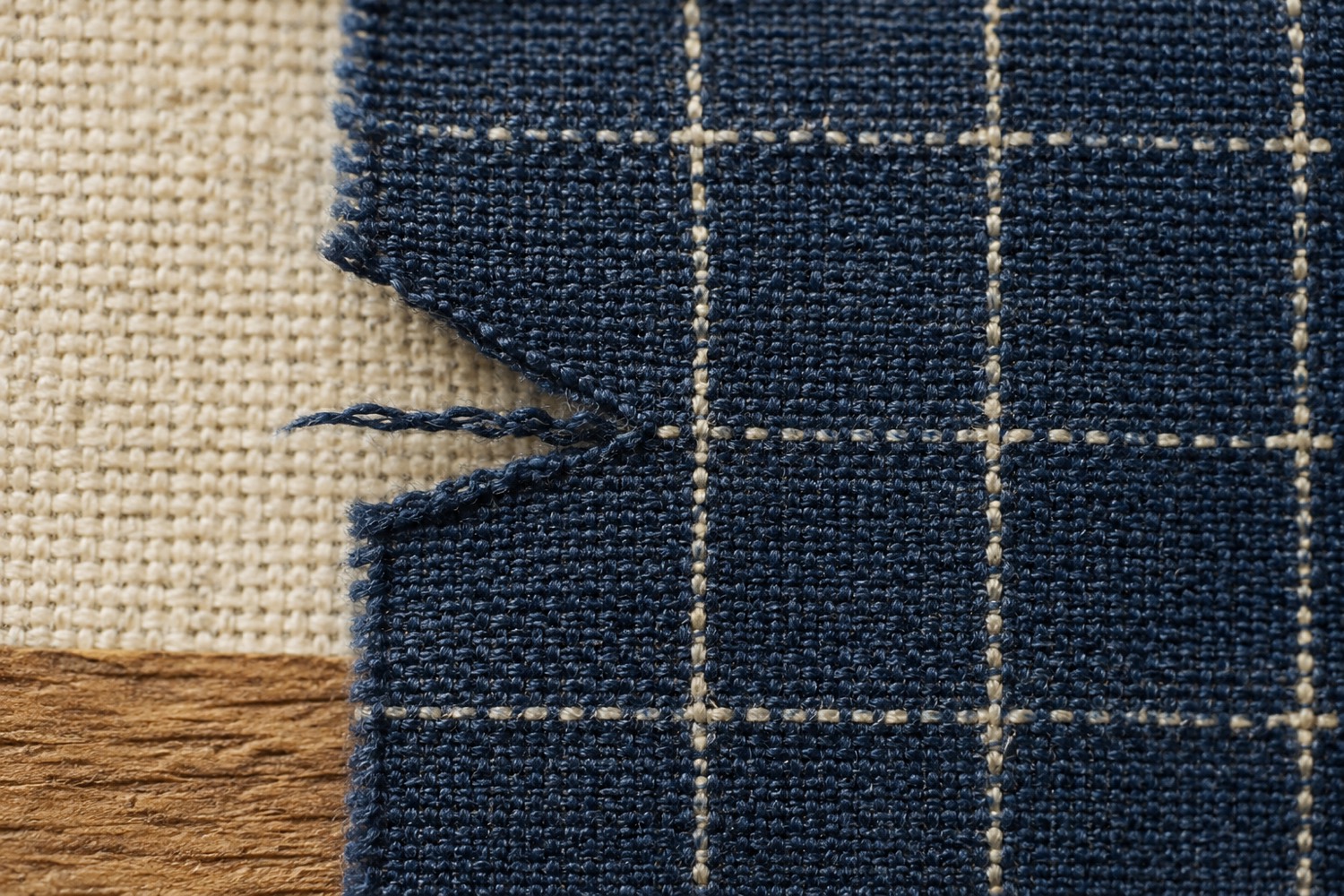
Tear strength is the force in newtons needed to keep a tear running once one has started, measured separately in the warp and the weft directions under EN ISO 13937-2.
It is a different property from abrasion and the two often disagree. The ripstop field jacket in this catalogue has the lowest abrasion figure of any tested jacket and the highest tear figures, because a grid of heavier yarns woven in at intervals does nothing against rubbing and a great deal against a snag on a nail.
Both figures are printed next to each other on every page that has them, so you can see which trade-off a cloth has made.
Reinforcement and its limits
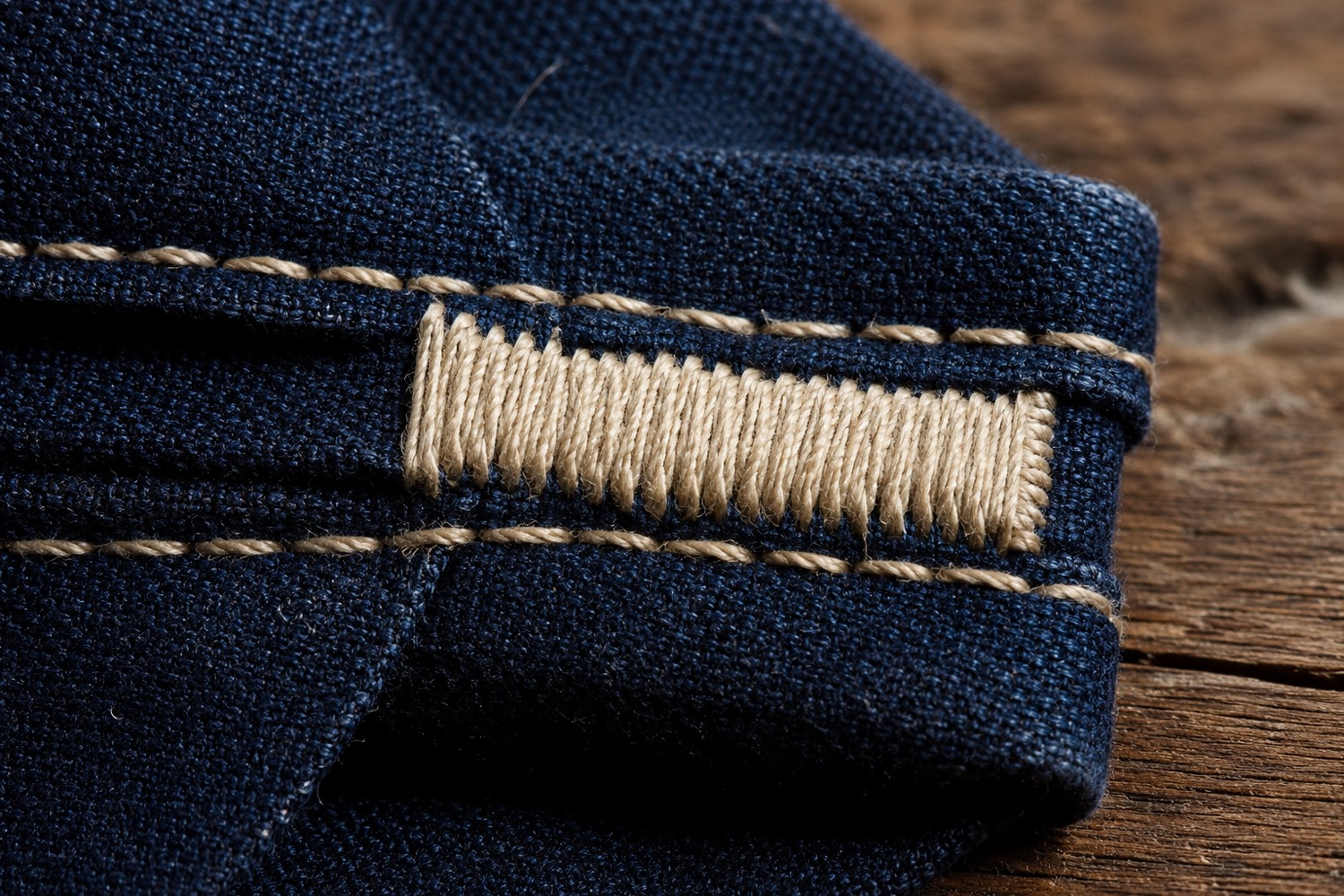
A reinforced point is either a second layer of cloth or a denser stitch: a doubled knee panel, a bartack at a pocket corner, a diamond gusset replacing a four-way seam. Every product page draws its own points on a silhouette and lists them in words underneath, so the information does not depend on the drawing.
What reinforcement does is move the wear onto a sacrificial layer, or remove a stress junction. What it does not do is make an area exempt from wear. A doubled knee still abrades. It abrades on the outer layer first, which is the point, and it buys you time rather than immunity.
Shrinkage
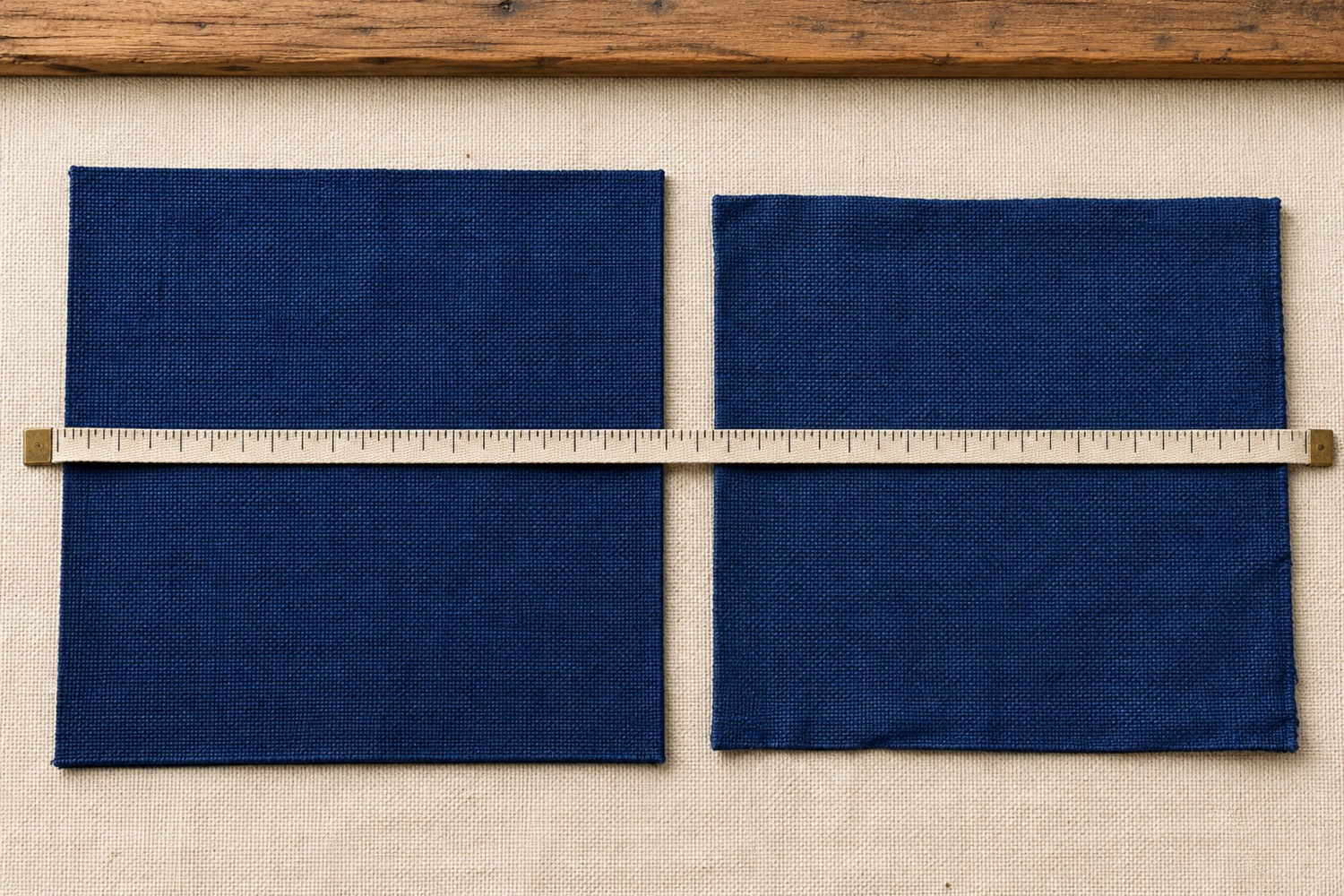
Every product page states whether the cloth was pre-shrunk before cutting, how much it moves on the first domestic wash as a percentage, and critically whether the size chart figures were taken before or after washing. Shrinkage is measured under EN ISO 6330 at a 40 °C domestic wash.
Raw denim is the case that catches people out. The 14 oz jean in this catalogue is not pre-shrunk, moves about four percent, and its chart figures are pre-wash. Its page says all three things and tells you to size up. The pre-shrunk 12 oz sits next to it with post-wash figures and no such advice.
Colour transfer
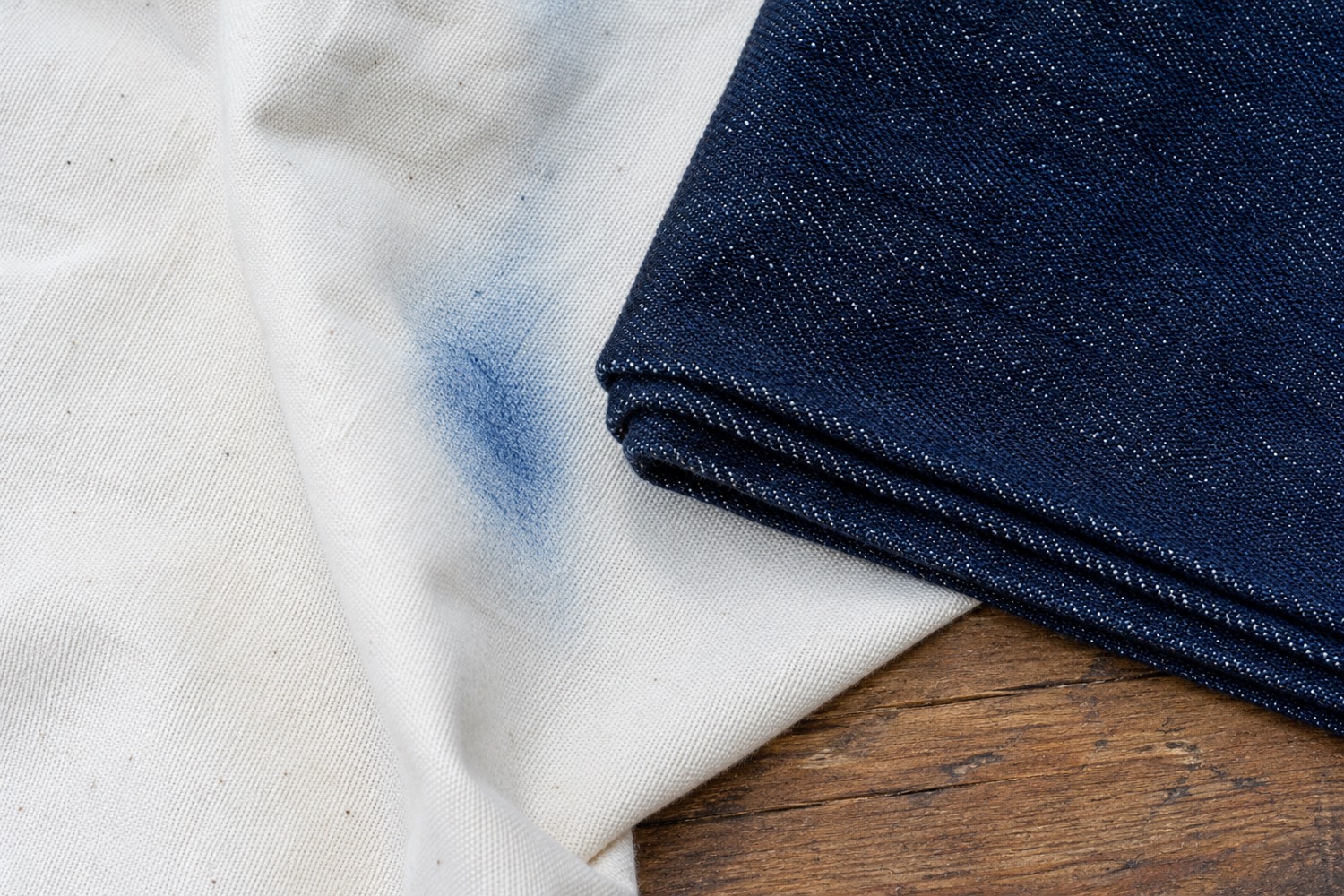
Indigo is not dyed through the yarn; it sits in layers on the outside of it. That is the whole reason denim fades along fold lines instead of evenly, and it is also why it rubs off onto other things while the outer layers are still loose.
Where a graded figure exists we publish it with its method, EN ISO 105-X12, for dry and wet rubbing separately. Every indigo-dyed piece also carries a notice on its own page and a line in the basket, because a grade on a scale of five is not much use to somebody about to sit on a pale sofa.
The protective-equipment boundary
This is the most important section on the page, and it is the shortest to state.
None of the tests described above is a safety test. Martindale abrasion, tear strength and cloth weight describe how a fabric behaves in a laboratory. They say nothing about cuts, heat, flame, static, electricity, chemicals, impact or visibility, and no figure on this site should ever be read as though they did.
We do not sell certified protective equipment, we do not test for any protective property, and we will not advise on whether a garment suits a hazardous task. Where your work requires certified equipment, buy it from a supplier of certified equipment.
What we do not claim
If you find a sentence anywhere on this site that reads as a promise rather than a measurement, tell us and we will change it. Write to us.