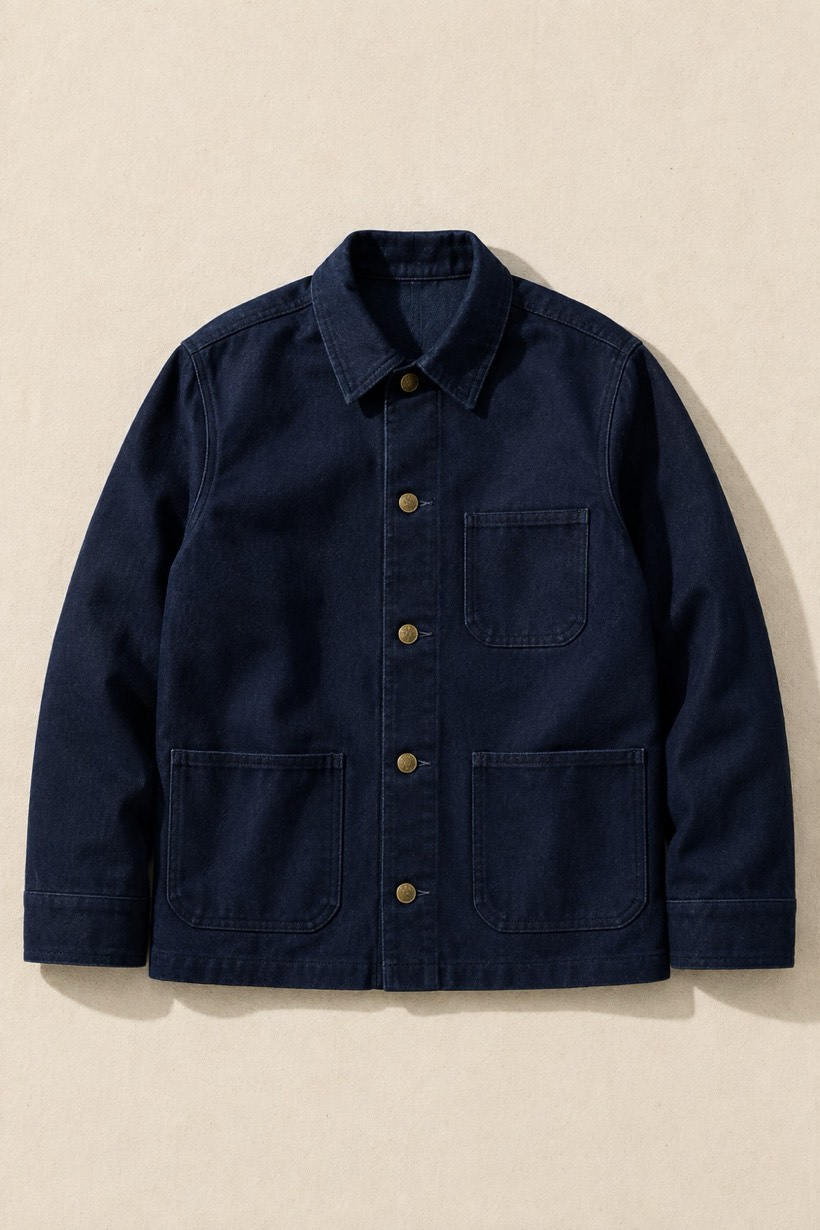
 400 g/m²
not protective equipment
Chore Jacket Heavy 400
€169
- weight
- 400 g/m²
- abrasion
- 40,000cycles
- reinforced
- 3 areas
workwear, sold by the piece
Every garment on this site publishes three things before it publishes an adjective: what the cloth weighs, how many rub cycles it took under a named method, and exactly where it carries a second layer. It fades. It softens. It is not exempt from wear, and we will not tell you otherwise.
clothing, not protective equipment
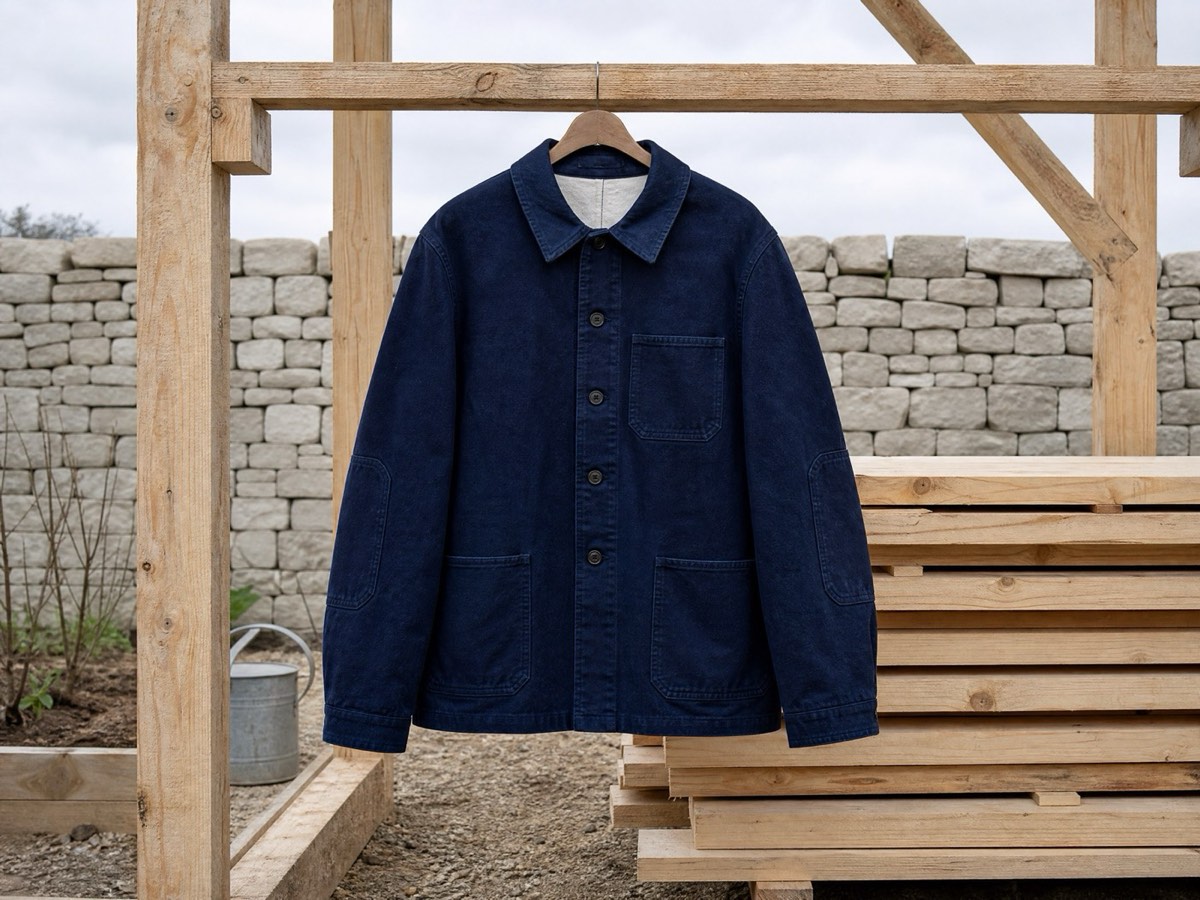
in frame
Chore Jacket Canvas 340
what we publish
32 of the 43 pieces in the catalogue carry a measured abrasion figure. The rest carry none, and say so on their own page. That is the whole policy.
how the tests workg/m²
Grams per square metre, measured on the finished cloth. It is the one figure that is comparable across every garment here, and it is the reason a 400 canvas feels like a different object from a 200 twill.
read the methodcycles
Martindale rub cycles under EN ISO 12947-2. Where a mill has not produced a figure we print no figure at all. A number without a method is not a measurement, so you will never see one here.
read the methodN
Tear strength in newtons, warp and weft, under EN ISO 13937-2. It is a different property from abrasion: ripstop scores low on one and high on the other, and both are printed side by side.
read the methodthe shift
The two grounds on this site are not a colour scheme. They are the two places one jacket goes in a day. Switch between them in the top bar and every photograph here moves with you, because every garment was shot in both.
The workshop frame is a short loop. It carries no sound and no narration; nothing on it is required to understand this page.
the catalogue
Frame height follows grams per square metre, so the grid reads as a weight chart before you read a name. Hold a card to see the same garment after long use.
400 g/m²not protective equipment
€169
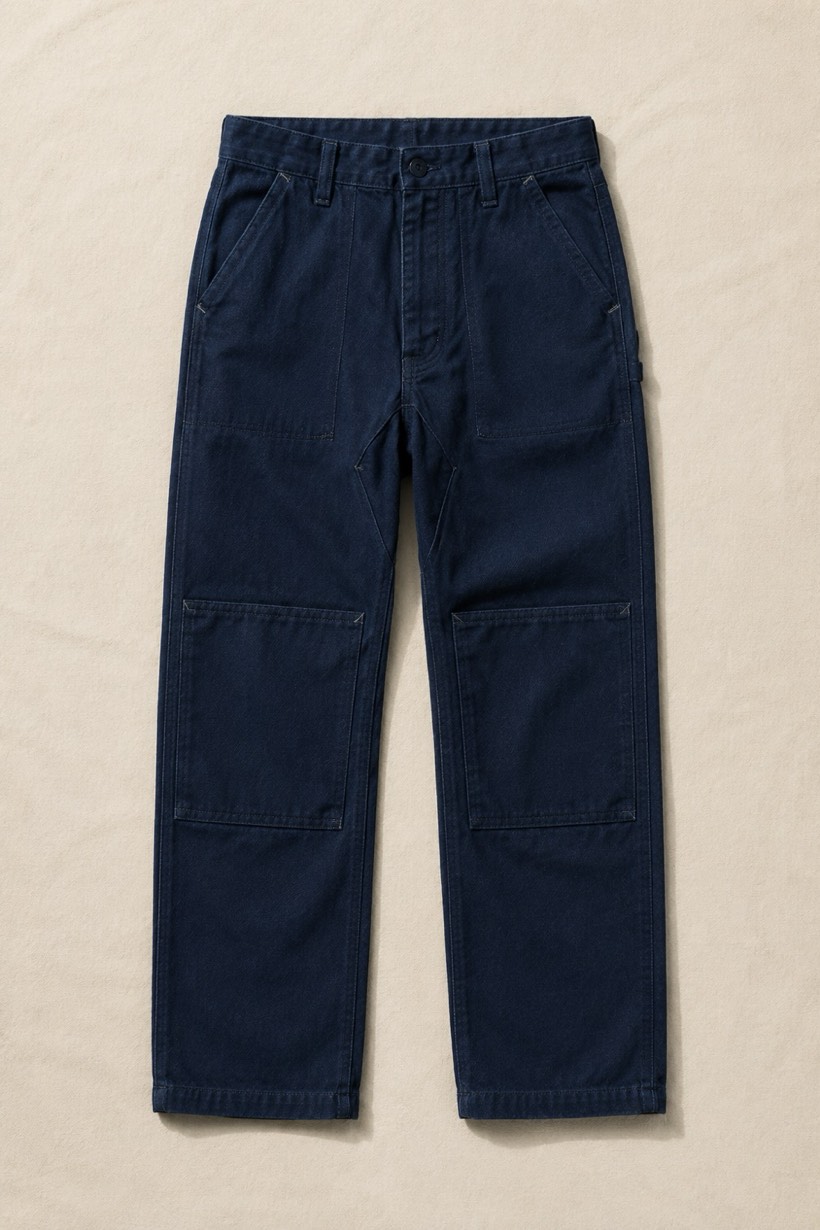 340 g/m²
not protective equipment
€109
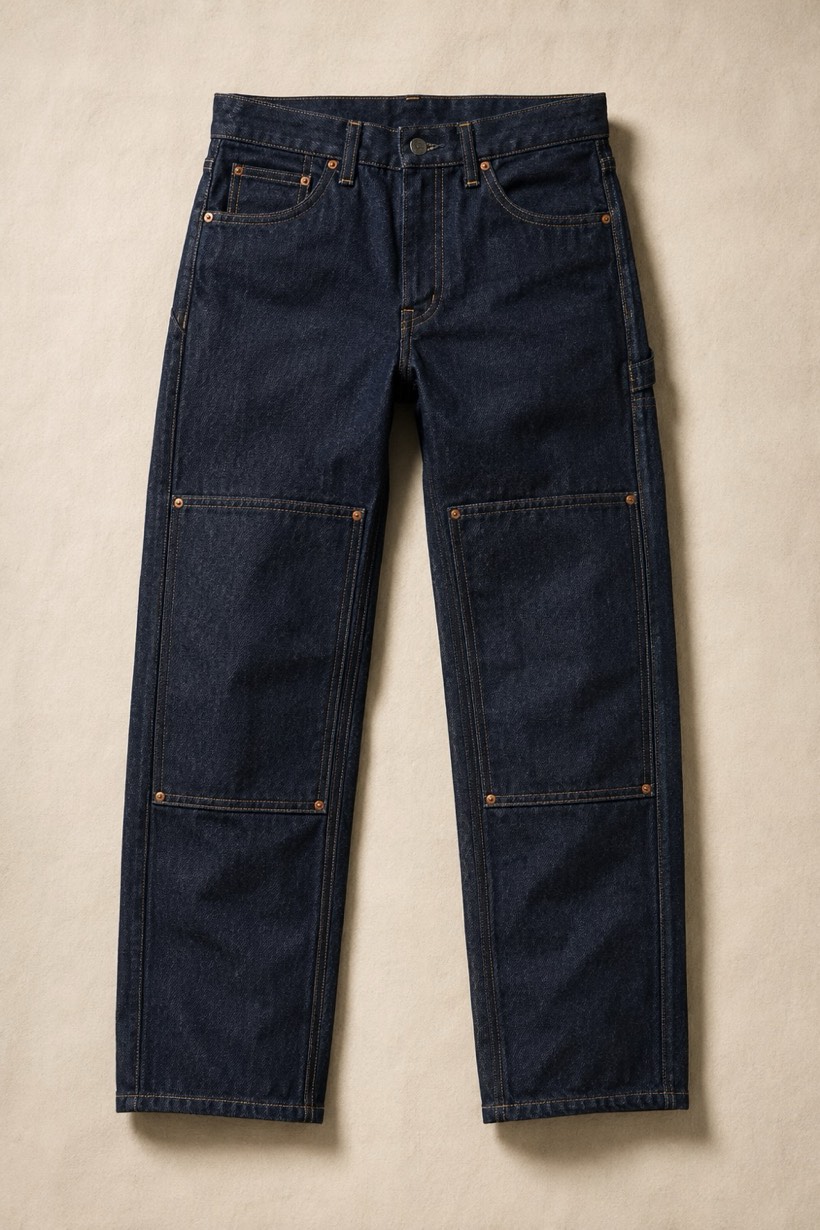 475 g/m²
not protective equipment
€119
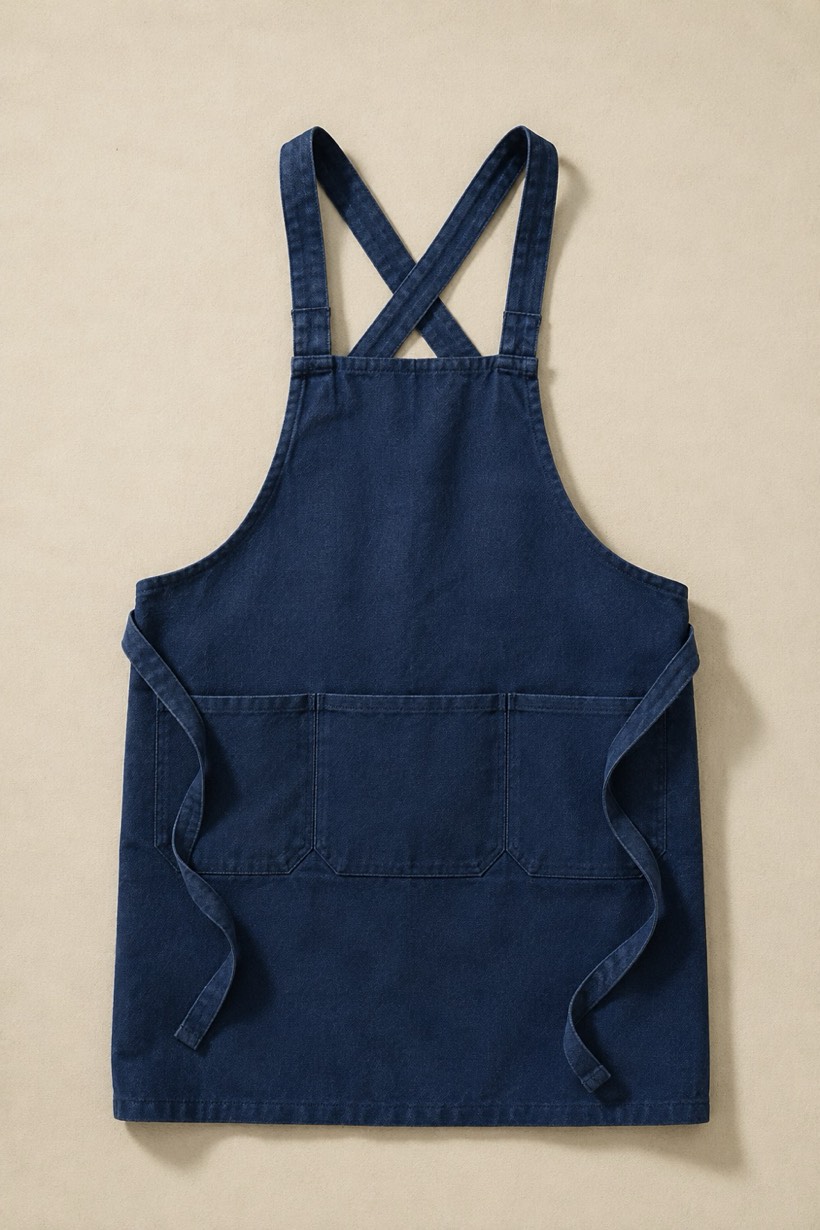 340 g/m²
not protective equipment
€69
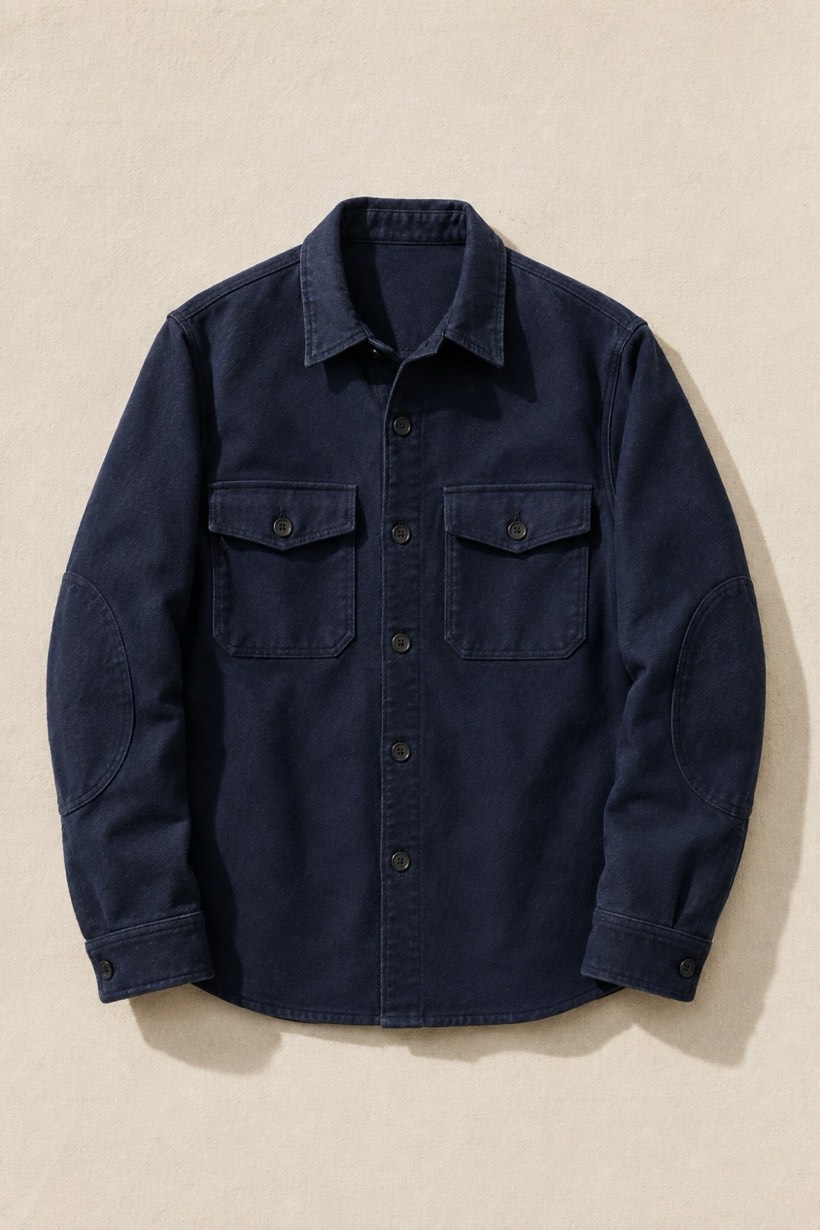 320 g/m²
not protective equipment
€139
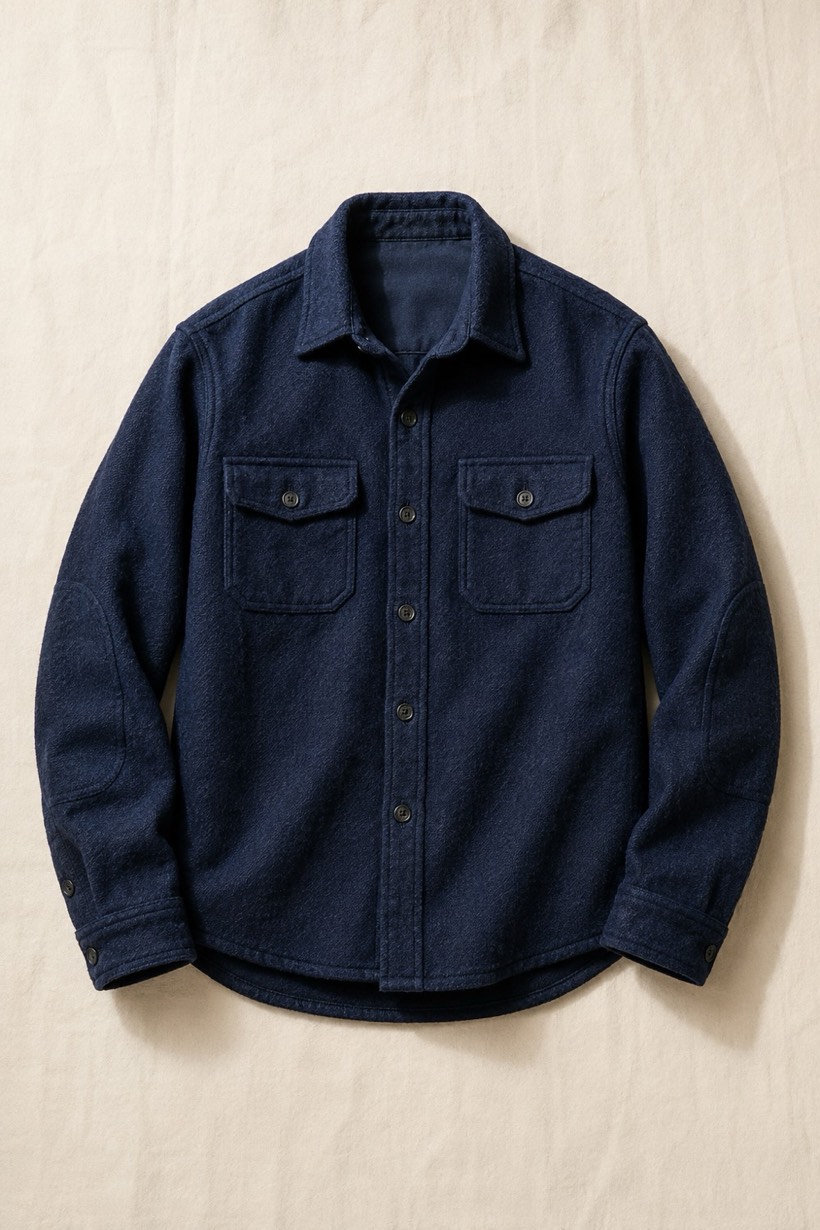 300 g/m²
not protective equipment
€109
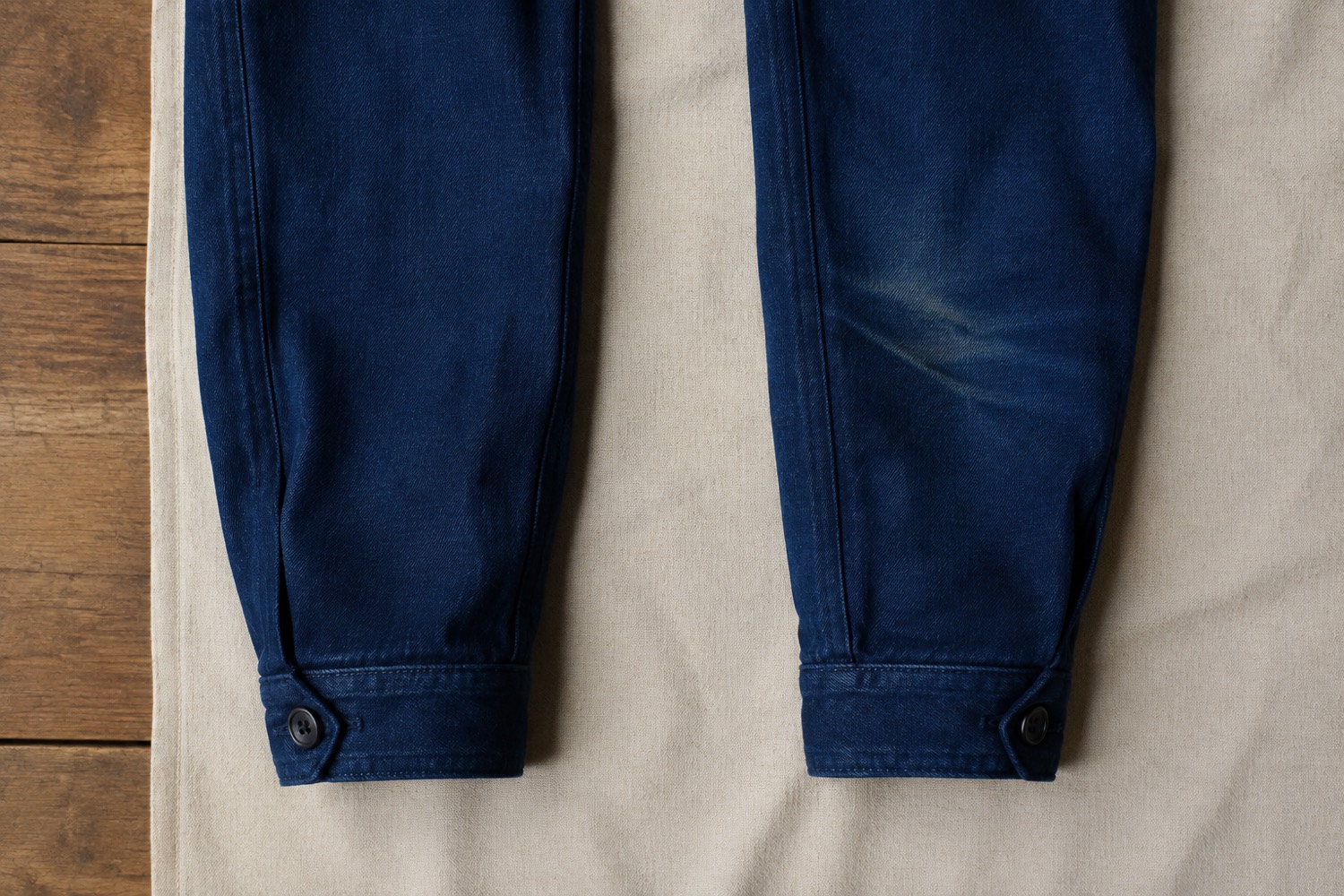
what happens next
Cotton softens along the lines you bend. Indigo lifts where the cloth rubs. A reinforced elbow abrades on the outer layer while the inner one holds. None of that is a defect and none of it is a promise: it is what these cloths do, and it is why the comparison frames on this site are part of the catalogue rather than an afterthought.
We do not claim a garment here is exempt from wear, will hold its colour, or will outlive you. We publish what was measured and let the cloth do the rest.
see it on the 14 ozwork matcher
Three questions: what you do, how hard you are on clothes, and what gives out first. The answer is a rule over the published figures, not a recommendation. Say your knees go first and you will only be shown garments with a knee panel. Say heavy and garments we have not had tested drop out of the answer entirely.
start the three questions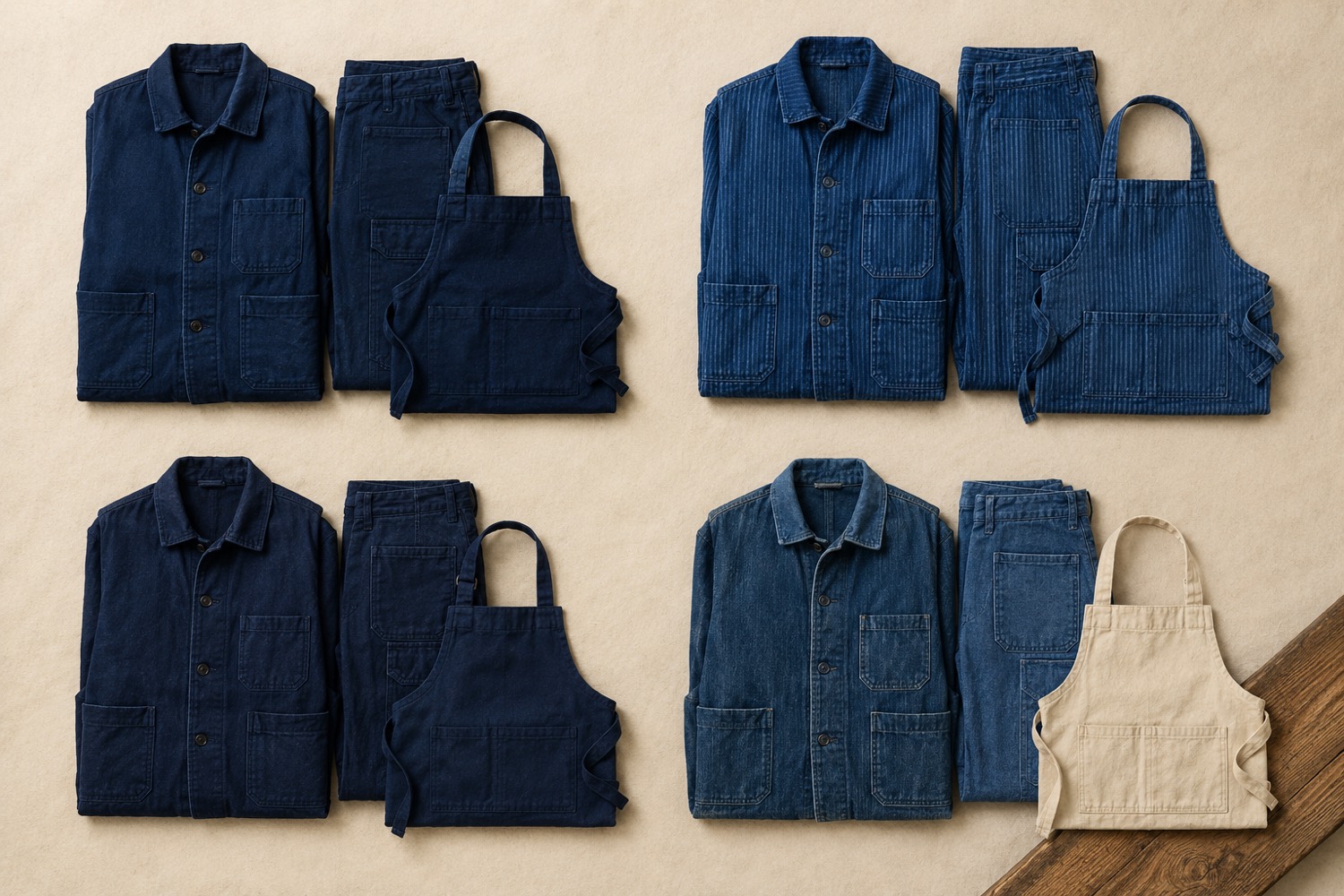
Below that, a flat charge shown in the basket and again at checkout before you pay. Prices are in euro with VAT included.
delivery times and chargesFrom the day you receive the order, with a standard withdrawal form you can copy or download. Refunds go back the way you paid.
how to withdrawThe conformity guarantee and the hidden-defect guarantee both apply to everything sold here, side by side, at no cost to you.
what each one coversCloth weight, abrasion and tear strength are published with the standard they were measured under, or not published at all.
the testing page